Why early thermal analysis prevents costly tooling rework
Thermal behavior cannot be easily patched once enclosure tooling is cut. If an IC overheats during prototype bring-up, adding ventilation holes compromises ingress protection (IP65/IP67), while retrofitting external heatsinks or altering internal ribbing requires expensive injection mold or die-casting tooling modifications. Running CFD thermal simulations inside the early CAD modeling phase allows mechanical and electrical teams to co-optimize component placement, copper plane distribution, and chassis heat dissipation paths while geometry modifications are fast and inexpensive.
Heat source mapping & component junction temperatures
An accurate thermal model begins with an explicit component power map. Key heat generators — microprocessors, SoCs, power MOSFETs, motor drivers, inductors, and voltage regulators — must be defined with their operating wattage and thermal resistance networks (R_theta_JC and R_theta_JB). By applying worst-case operating boundaries (e.g., 45°C ambient outdoor solar loading in Indian summer conditions), simulation predicts exact die junction temperatures (T_j = T_case + P × R_theta_JC) to ensure critical silicon remains safely below manufacturer derating thresholds.
Conduction paths & Thermal Interface Material (TIM) selection
Air is an exceptional thermal insulator with a thermal conductivity of roughly 0.026 W/m·K. Microscopic surface roughness between IC packages and metal enclosures traps air pockets, severely choking heat transfer. We design direct conduction paths using compressible silicone thermal gap pads or phase-change materials with thermal conductivities of 3.0 to 6.0 W/m·K under calibrated compression (typically 20–30% deflection). For high-power processors, dedicated CNC aluminum pedestals integrated into the housing base conduct heat directly to the exterior chassis.
Sealed IP66/IP67 vs ventilated enclosure cooling trade-offs
Cooling strategy depends heavily on the enclosure's environmental rating:
• Sealed Enclosures (IP65/IP66/IP67): Common for outdoor IoT gateways and robotics controllers where dust and water ingress must be prevented. Because air exchange is impossible, heat relies entirely on internal air circulation, radiation, and solid conduction through the chassis walls to exterior cooling fins.
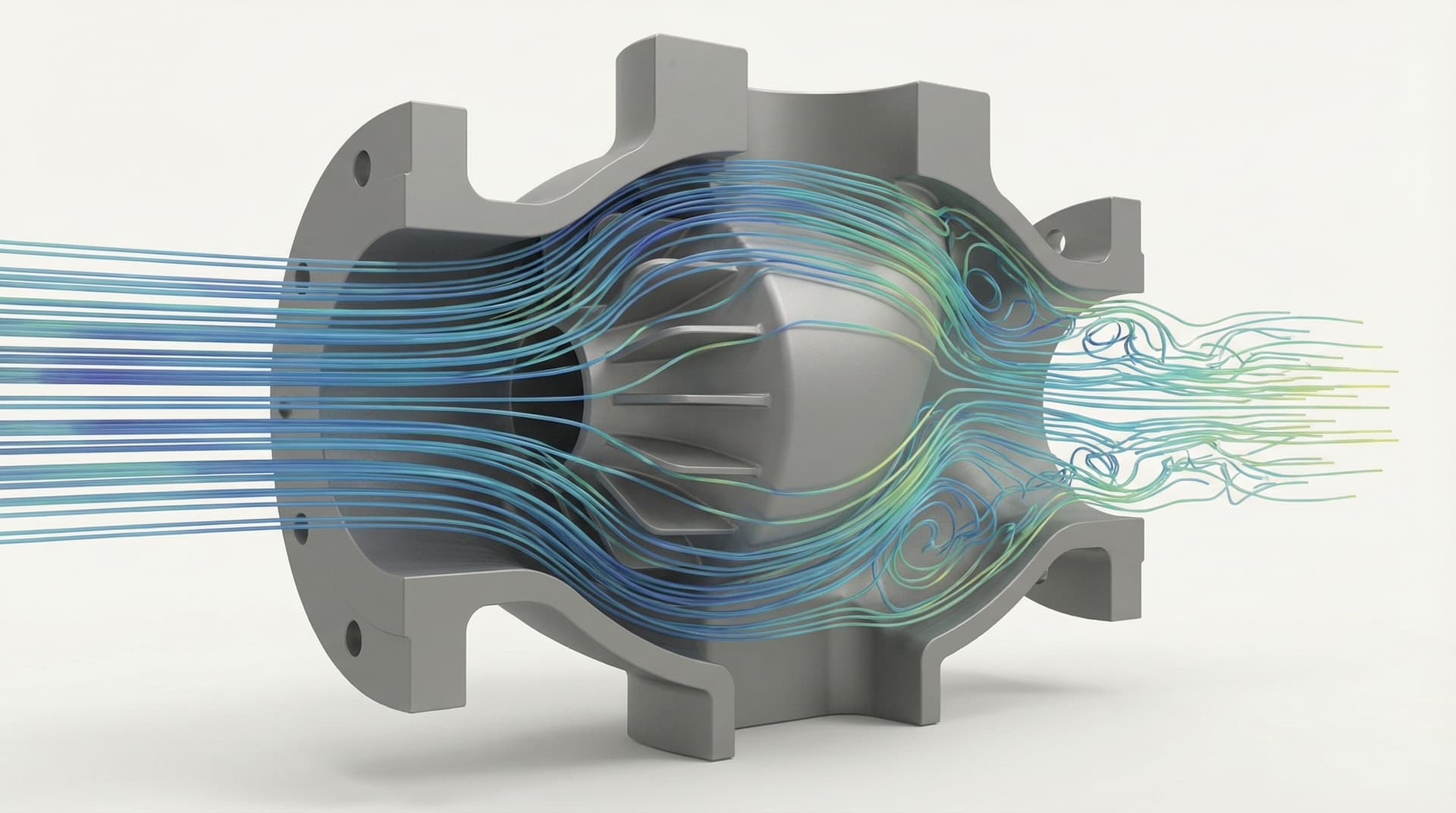
• Ventilated & Fan-Cooled Enclosures: For higher power densities (>50 W), forced convection using axial or blower fans is required. CFD modeling evaluates fan pressure-drop curves, intake filter resistance, and internal ducting to eliminate recirculating eddy dead-zones and stagnant air pockets.
Conjugate Heat Transfer (CHT) CFD simulation workflow
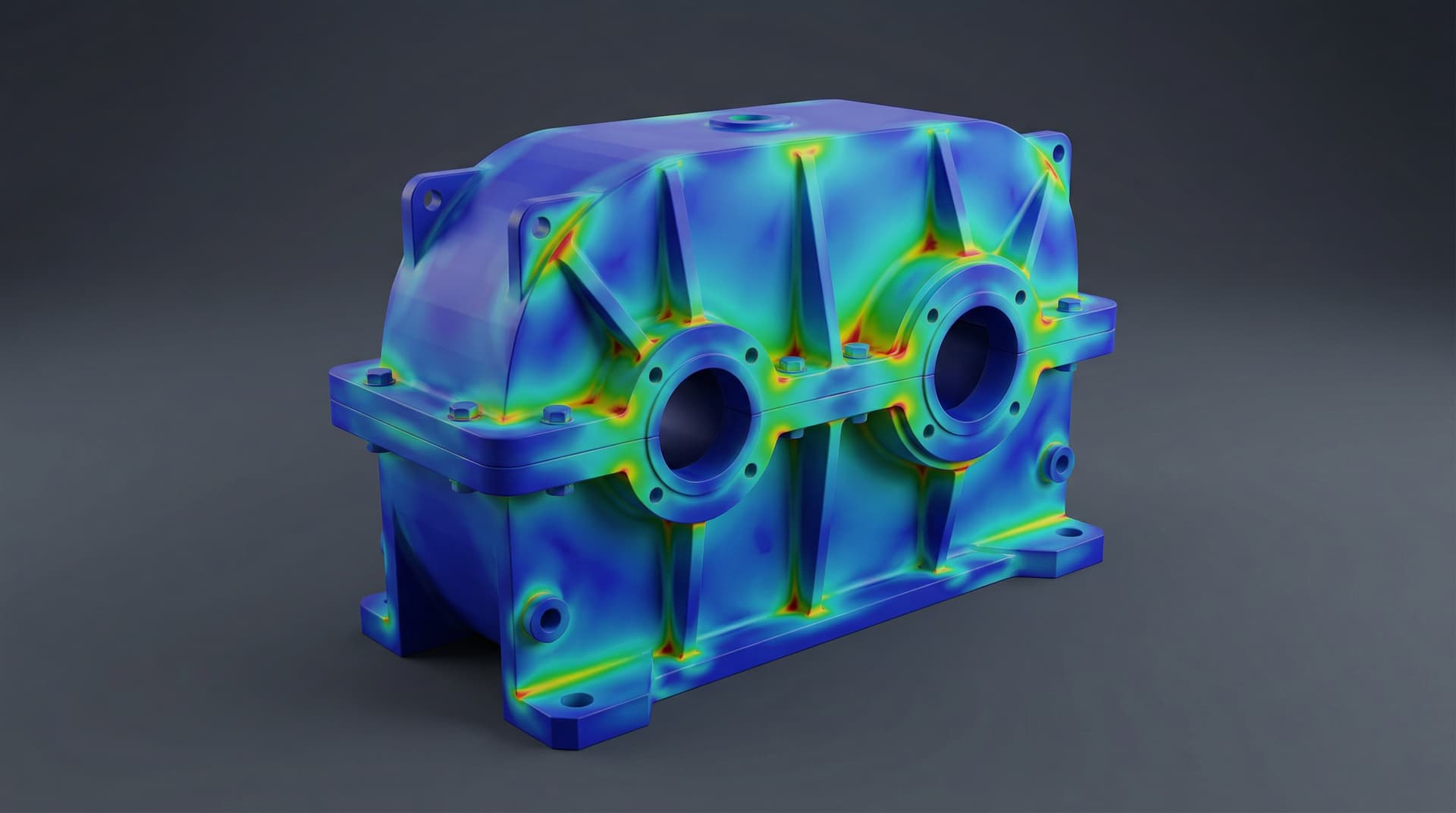
Modern electronics cooling analysis relies on Conjugate Heat Transfer (CHT) in tools like ANSYS Fluent or ANSYS Icepak. CHT simultaneously solves the Navier-Stokes fluid flow equations for natural or forced airflow alongside Fourier's law of conduction within solid PCB layers, component silicon, TIM pads, and metal housing walls. Boundary conditions include ambient temperatures, buoyancy-driven natural convection (Rayleigh number formulation), surface emissivity for radiation exchange, and realistic internal component heat generation.